
"China coffee growth"
3000 article(s) found

Refuse extensive growth London Bridge Coffee advocates intensive farming Market
China's coffee market has shown a strong growth momentum in recent years. Statistics show that the number of coffee shops in China has grown from more than 10,000 to more than 30,000 in the five years from 2007 to 2012. Especially in first-tier and second-tier cities, coffee drinking has been integrated with fashion and modern life, coffee consumption is increasing, and the coffee market is also expanding. This continues from many coffee shop chains

Jinuo intelligent coffee mill is popular in first-and second-tier cities in China.
More and more Chinese are beginning to sip Western drinks, and coffee is undoubtedly the first to bear the brunt. Relevant industry data show that the space of China's coffee market will continue to expand and will enter a period of rapid growth in the next 10 years. According to the London International Coffee Organization, compared with the global average growth rate of 2%, China's coffee consumption is growing at an astonishing rate of 15% a year. According to statistics, China's current

Starbucks CEO is optimistic about China: the expansion of China's Coffee Market will continue for decades
Professional baristas follow coffee workshop (Wechat official account cafe_style) Starbucks believes that China's growing middle class and urbanization will increase the demand for coffee in this popular tea culture. China is Starbucks' biggest growth opportunity, and the expansion of the Chinese market is likely to continue for decades. This is Kevin John, CEO of Starbucks.
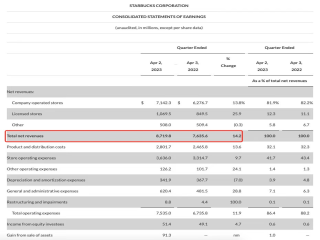
Move forward steadily?! Starbucks Coffee double increase in revenue and net profit in the second quarter of 2023
Professional coffee knowledge exchange more coffee bean information please follow the coffee workshop (Wechat official account cafe_style) more boutique coffee beans please add private Wechat Qianjie Coffee, WeChat: qjcoffeex Starbucks is further from its strategic vision of China 2025! May 3, Lian
Coffee consumption in China is growing by more than 40% a year.
It is reported that in recent years, China's coffee consumption has risen sharply, with an annual growth rate of more than 40%. It has become an important engine of global coffee consumption and attracted the attention of the world. In 2003, China's total coffee consumption was 19080 tons, double that of 1995, with an annual growth rate of 14.9%. The annual per capita consumption was 14.7g, 0.18% of that of Europe, 0.35% of that of the United States and 0.4% of Japan.

Global Coffee Production in 2017-Latest News on Coffee Production
According to current market data, emerging countries represented by China, Brazil, Russia, India and South Africa currently consume 20% of the global total coffee, and this proportion will reach 35% by 2020. China is one of the world's largest emerging coffee consumers, with sustained economic growth, increasing people's living standards and poor living standards.
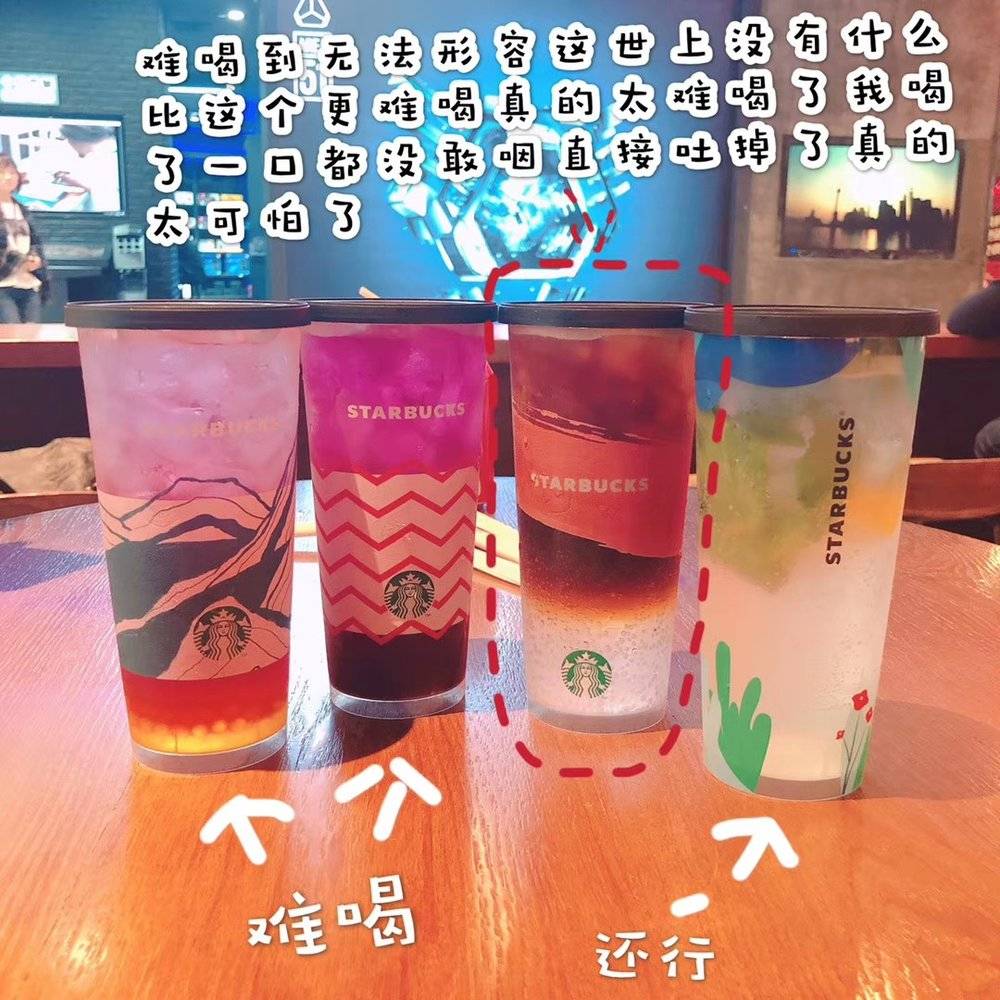
Starbucks criticizes Ruixing for being short-sighted and short-sighted, and plans to expand the scope of Chinese takeout coffee service.
For more information on coffee beans, please follow the coffee workshop (Wechat official account cafe_style). Starbucks reports its latest results and is satisfied with the growth of same-store sales. On April 25, Starbucks released its second-quarter results, bringing Starbucks shares to their highest level in the past year. Starbucks' total revenue for the quarter was $6.3 billion, compared with the same period last year.

Overexpansion? Stagnant growth? Starbucks will close 150 stores next year in the hope of China
Professional coffee knowledge exchange more information about coffee beans Please follow the coffee workshop (Wechat official account cafe_style) coffee chain Starbucks announced that it will close 150 stores in the United States in fiscal year 2019. This figure is three times the number of stores closed in previous years. Starbucks is expected to slow in the third quarter of this year. Starbucks currently has about 14000 stores in the United States. The company expects this year

Analysis on the Brand Prospect of Coffee Market in China
According to a survey conducted by a national authority, the coffee franchise industry is growing at a rate of 25%, and cafes are becoming a bright spot for urban civilization progress and economic growth. At present, coffee consumption in China's cities, the average annual consumption of coffee per person is 4 cups, even in big cities such as Beijing and Shanghai, the annual consumption of coffee per person is only 20 cups. And in Japan and Britain,
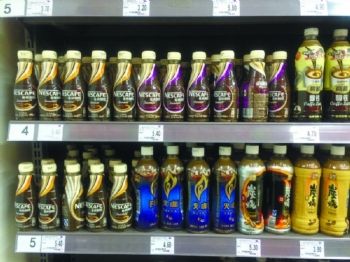
Ready-to-drink Coffee Market: a New Blue Ocean being excavated
In the past two years, when the whole beverage industry bid farewell to the golden era of high growth, coffee consumption showed a rapid growth trend, and China's coffee market is growing at an annual rate of 15% and 20%. Both the leisure coffee chain represented by Starbucks and the instant coffee represented by Nestl é have made rapid development. And the scale of China's coffee consumption market is about to break through.

Chinese people fall in love with coffee foreign coffee chains are growing rapidly in China
The picture of a Starbucks store in China comes from a report by foreign media on December 30 that many foreign brands and business models from Best Buy to B & Q have encountered a Waterloo in China. However, the Western retail concept of foreign coffee shops, which was perhaps the least likely to succeed, has flourished in China. According to a report on the Financial Times website on December 29,
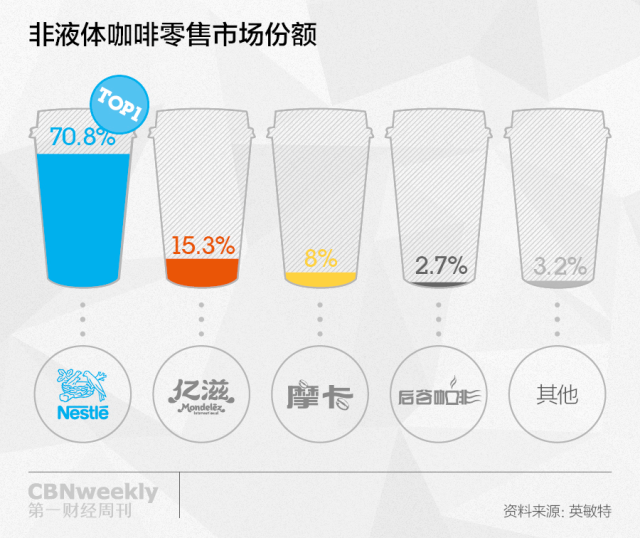
Instant Coffee Market Growth Slows, Nestle Lacks High Growth Potential
What about the world's largest food retailer, which is slowing down the instant coffee market, lacks brands with high growth potential and struggles to integrate with local companies? Nestle, the world's largest food company, has tasted the bitter taste of coffee in the Chinese market. Five years later, Nestle replaced the full package of instant coffee. The classic coffee color was replaced with a bright red, and the salesman did so

Analysis | Development of coffee shop franchise industry in China in 2017
Professional barista communication please follow the coffee workshop (Wechat official account cafe_style) Coffee one of the three major drinks in the world, which is rich in protein, crude fiber, crude fat, caffeine and so on. Because of its unique mellow taste and refreshing and exciting effect, it has gradually become an indispensable daily drink for modern people. Baristas are the second largest traded commodity in the world after oil.

Large coffee chains have entered China one after another-domestic coffee shops are also on the rise
1: China's sustained high economic growth, the increasing improvement of people's living standards, the increasing diversity and improvement of the quality of life, and the economic possibility of coffee consumption have directly catalyzed the vigorous development of the coffee industry. 2: the influence of globalization has led to the internationalization of consumption habits, and the number of people drinking specialty coffee is expanding. 3: large coffee chains have entered China.

The final of the 4th China barista skills Competition was held in Guangzhou.
Professional coffee knowledge exchange more coffee bean information Please follow Coffee Workshop (Wechat official account cafe_style) the fourth China barista skills Competition, the most professional national competition in the domestic coffee industry, was held in Sany International Food City in Guangzhou from the 27th to 28th. Nearly 100 excellent baristas from Hainan, South China, East China and Shandong competed together. Chinese barista
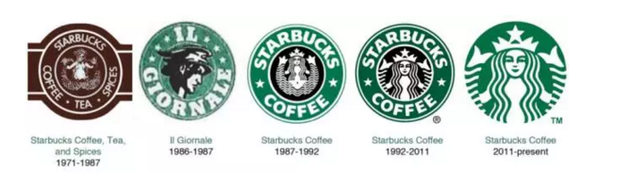
Why does Starbucks prefer China? Open another 1.33 stores a day for the next five years.
Following Kaiping (Wechat official account vdailycom) found that Beautiful Cafe opened a small shop of its own, with 2800 stores all operating itself to 5000 in 2021. This is another growth story about the Chinese market. Starbucks spent 1.3 billion US dollars to take over the operation rights of all Starbucks stores in mainland China, which means that all Starbucks stores in mainland China will be owned by Starbucks.

What kind of coffee beans are grown in southern China? Where is the best place to grow coffee in China?
The soil and climate in many parts of southern China are very suitable for coffee growth and have an ideal environment for coffee cultivation. At present, the main producing area of coffee in China is Yunnan, accounting for more than 80% of the national output, with Hainan second, while Guangdong, Guangxi, Fujian and Sichuan also grow a small amount. Yunnan is located in the southwest of China, with more than 400000 mu of land in the subtropics, of which the most suitable

The journey of coffee from Africa to China
Coffee originated in Africa and little is known about it. In fact, Africa Ethiopia is the hometown of coffee, producing the best Arabian coffee in the world. Soil, weather conditions and an altitude of more than 2000 meters above sea level have made many countries in Africa create an ideal scene for the growth of coffee. At present, coffee production in Africa accounts for about 13% of the world's total output, and coffee income is part of Africa.
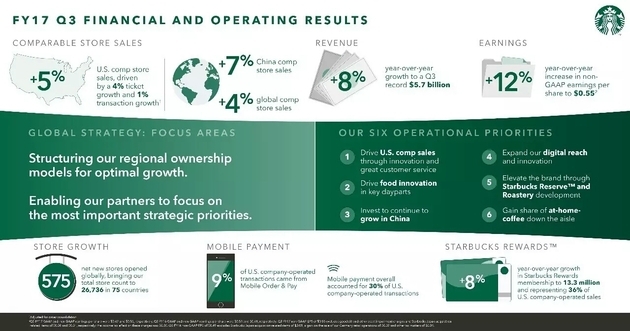
After Sears, Starbucks tea shop also closed! Close all its Teavana tea stores
Following Kaiping (Wechat official account vdailycom) found that Beautiful Cafe opened a small shop of its own, with 2800 stores all operating itself to 5000 in 2021. This is another growth story about the Chinese market. Starbucks spent 1.3 billion US dollars to take over the operation rights of all Starbucks stores in mainland China, which means that all Starbucks stores in mainland China will be owned by Starbucks.

Starbucks 2018's latest earnings report is bright, but the Chinese market is not improving.
Professional coffee knowledge exchange more coffee bean information please follow the coffee workshop (Wechat official account cafe_style) in the early morning of November 2, Beijing time, Starbucks, the world's largest coffee chain, released its Q4 report for fiscal year 2018. This is a financial report that looks pretty at first glance. Several financial data, such as net income, same-store sales, earnings per share, and so on, are improving, which has been criticized after the release of Q3.